
Ultimate Guide to Essential Products for Concrete Leveling Projects
Learn about key tools and supplies that help achieve perfect concrete leveling with ease and precision.
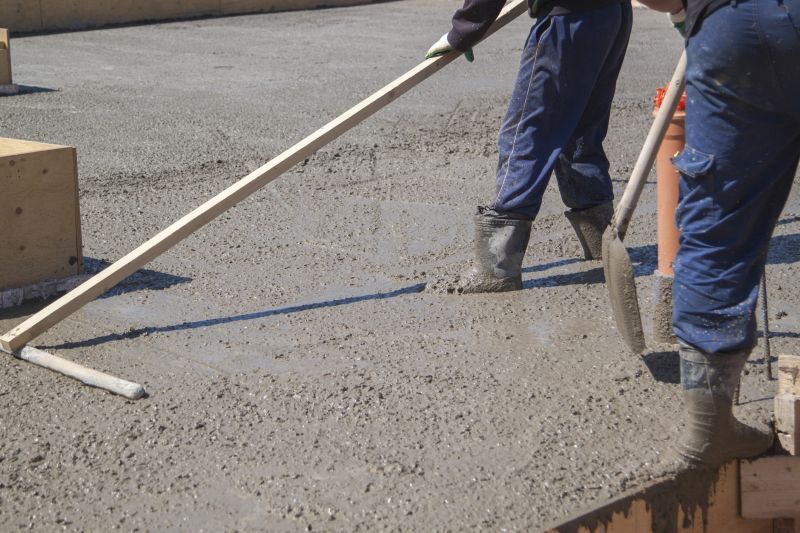 Concrete leveling is an essential process for maintaining the safety, appearance, and functionality of various surfaces around properties. Whether dealing with uneven driveways, cracked patios, or sinking walkways, selecting the right products can help achieve a stable and level surface. The market offers a wide array of solutions, from liquid overlays and self-leveling compounds to polyurethane foam injections and patch repair kits. Each product type caters to different needs, project sizes, and budget considerations.
Top Overall Option
Self-Leveling Concrete Repair Compound
A versatile self-leveling compound offers an easy-to-apply solution for minor surface imperfections and small cracks. It flows smoothly and levels itself, creating a seamless finish suitable for walkways, patios, and garage floors. Designed for quick setting and durability, it provides a reliable option for both DIY projects and professional repairs.
Types of Products For Concrete Levelings
Liquid Concrete Overlays
Thin, pourable layers that can restore smoothness and levelness to existing concrete surfaces.
Self-Leveling Compounds
Flowable mixtures that settle into place for minor surface corrections and smoothing.
Polyurethane Foam Injection Kits
Expandable foam used to lift and stabilize sinking concrete slabs.
Mudjacking (Slab Jacking) Materials
A slurry mixture used to lift and level sunken concrete by filling voids beneath slabs.
Concrete Patch Repair Kits
Pre-mixed compounds designed for filling cracks, holes, and surface imperfections.
Epoxy Resin Patches
Strong adhesives suitable for repairing cracks and bonding broken concrete sections.
Polymer Resurfacing Products
Resins that create a durable surface overlay for aesthetic and protective purposes.
Crack Repair Sealants
Flexible sealants designed to fill and seal surface cracks to prevent water infiltration.
Concrete Resurfacing Skims
Thin coatings that improve appearance and surface smoothness.
Underlayment Materials
Supports for leveling uneven sub-surfaces before applying final finishes.
Grout and Mortar Mixes
Used for filling larger voids and providing structural support.
Polyurea Coatings
Fast-curing, durable coatings for surface protection and minor leveling.
Hydraulic Cement Mixes
Quick-setting products for stopping leaks and repairing cracks in concrete.
Surface Patching Tapes
Reinforced tapes for crack bridging and surface stabilization.
Injection Grouts
High-pressure grout mixtures used in structural repairs and void filling.
Popular Choices
Widely used for smoothing interior floors and preparing surfaces for finishing.
Commonly selected for lifting sunken slabs in residential and commercial settings.
Popular for raising and stabilizing uneven concrete slabs with minimal disruption.
Frequently used for sealing surface cracks to prevent water damage and further deterioration.
Chosen for improving the appearance of worn or stained concrete surfaces.
Commonly applied for durable, long-lasting crack fills in concrete surfaces.
Popular for creating a smooth, durable surface on driveways and patios.
Used frequently for quick repairs of structural cracks and leaks.
Often selected for reinforcing crack repairs and surface stabilization.
Common in structural repairs to fill voids and stabilize foundations or slabs.
Preferred for filling larger holes and surface imperfections.
Used for quick repairs in high-traffic areas or structural fixes.
Applied for surface protection and minor leveling on various concrete surfaces.
Popular for sealing cracks and preventing water infiltration.
Chosen for preparing uneven sub-surfaces before finishing.
Properly addressing uneven concrete not only improves curb appeal but also reduces trip hazards and prevents further deterioration. For DIY enthusiasts and professionals alike, understanding the various options available is crucial for making informed purchasing decisions. Many products are designed for ease of use, allowing for quick application and minimal downtime, while others may require specialized equipment or skills.
When choosing products for concrete leveling, factors such as the extent of the unevenness, the type of concrete, and the underlying cause should be considered. For instance, minor surface imperfections might be best addressed with patch repair kits, while significant sinking or settling may necessitate polyurethane foam injections or mudjacking solutions. Proper preparation, including cleaning and drying the surface, is essential for optimal results.
Investing in quality leveling products can extend the lifespan of concrete surfaces and enhance safety. It is advisable to read product specifications carefully and consider consulting with professionals for complex issues. With the right tools and materials, a variety of concrete leveling projects can be successfully completed, restoring surfaces to a more functional and aesthetically pleasing state.
Key Buying Considerations
- Extent of unevenness and the size of the area needing repair
- Type of concrete surface and its current condition
- Underlying cause of the unevenness or sinking
- Project scope: DIY or professional-level repair
- Ease of application and drying time
- Compatibility of the product with existing surfaces
- Durability and longevity of the repair solution
- Flexibility and ability to accommodate slight movements
- Water resistance and sealing properties
- Cost and overall project budget
- Availability of necessary tools or equipment
- Environmental conditions such as moisture and temperature
- Safety precautions and handling requirements
- Surface preparation requirements
- Potential for future repairs or maintenance